 Romford Electrical Services
Guide
How to get an EICR
To get an EICR, book a competent electrician to inspect and test your electrical installation and issue a condition report. Here is how it works step by step.
- Send a short enquiry
- Covering East London
- EICR and related services
To get an EICR, book a competent electrician to carry out inspection and testing of your fixed electrical installation, then receive an Electrical Installation Condition Report. Tell them the type of property and why you need the report, so they can plan access and the time needed. Romford Electrical Services carries out EICRs and serves Romford and the wider East London area.
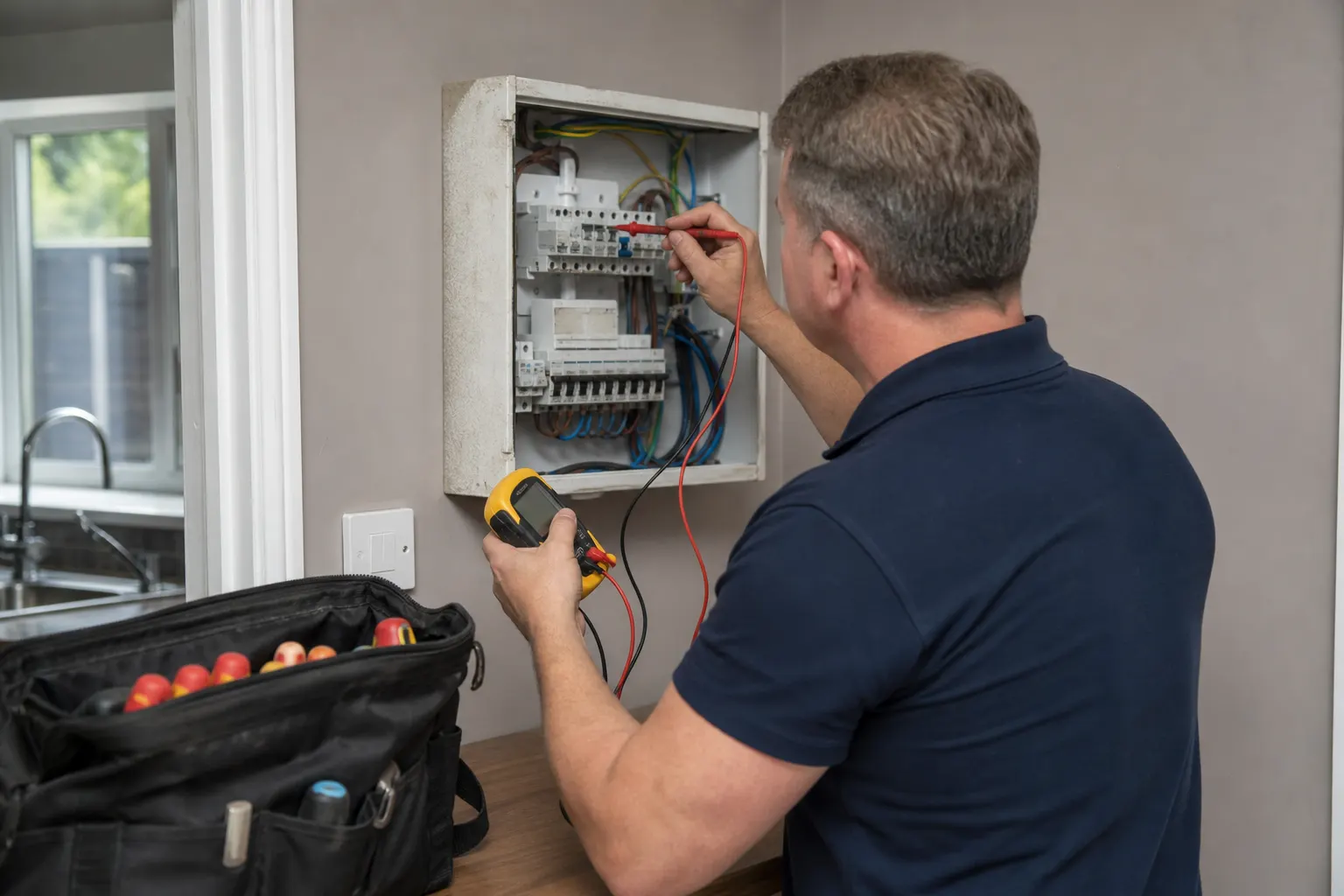
What an EICR check actually is
EICR stands for Electrical Installation Condition Report. It is a formal assessment of the fixed wiring and connected parts of a property, such as the consumer unit (fuse board), circuits, sockets, light fittings, earthing and bonding. It is not a quick visual look. The electrician inspects the installation and carries out tests on the circuits to see whether it is safe to keep using.
The result is a written condition report. It records what was inspected, what was found, and whether the installation is rated satisfactory or unsatisfactory. Think of it as a health check for your electrics rather than a pass certificate for appliances.
Steps to get an EICR
First, decide what you need it for. Landlords, homeowners selling or buying, and people with an older installation all have different reasons, and it helps the electrician to know yours.
Second, gather what you can: the property address, the number of floors, roughly how many circuits or consumer units there are, and any previous electrical reports or certificates. Mention any known problems such as tripping circuits, flickering lights or warm sockets.
Third, ask for a written quote and agree a date. Make sure someone can give access to every room, the consumer unit and any outbuildings, garages or meters that are part of the installation. Tenants should be given proper notice.
Finally, plan for the power. Testing usually means turning the electricity off for periods, so move any sensitive equipment and warn anyone working from home.
Who should carry out the inspection
Not every electrician is suited to inspection and testing. It needs specific knowledge of the wiring regulations, the right calibrated test equipment, and the experience to judge what the results mean. Ask the electrician whether they regularly carry out EICRs, what qualifications they hold in inspection and testing, and whether they are registered with a recognised competent person scheme. You can also ask to see proof.
Can you do your own EICR? In practice, no. Without the training and test instruments, a homeowner cannot produce a report that a mortgage lender, insurer, letting agent or local authority would trust. You can, however, do simple checks yourself, such as noting damaged sockets or a cracked consumer unit, and pass those observations on.
What happens on the day and what the report tells you
The electrician will usually start by looking at the consumer unit and checking the condition of accessories and visible wiring. They then isolate circuits in turn and test them. Expect some interruptions to power and a fair amount of time spent in cupboards, lofts and under stairs, depending on the property.
The report grades any findings with observation codes. C1 means danger is present and immediate action is needed. C2 means potentially dangerous. C3 means improvement is recommended. FI means further investigation is needed. A report with C1, C2 or FI findings is generally classed as unsatisfactory.
If remedial work is needed, ask for it to be itemised and quoted separately in writing. Once the faults are fixed, the electrician can confirm this in writing so you have a record that the installation has been brought up to a satisfactory standard.
How EICR pricing works
A fair EICR quote depends on the size and complexity of the installation. The main things that move the cost are the number of circuits and consumer units, how many rooms and outbuildings there are, how easy it is to reach wiring and accessories, and how long the testing is likely to take. Older or altered installations can take longer to trace and test.
Some electricians quote a fixed price for the inspection, while others charge by time or add a callout element. Remedial work is separate from the report itself, and parts such as a replacement consumer unit are priced on top. Evening or weekend appointments can also change the price. Ask for a written quote that says what is included, so you can compare like for like.
How often you need one and the landlord position
For privately rented homes in England, landlords must ensure the electrical installation is inspected and tested at regular intervals, no longer than five years, and must give tenants a copy of the report. Other kinds of property commonly use five years or less as a guide too, and the report itself will recommend when the next inspection is due. Rules differ between nations and can change, so check GOV.UK for the current position before you book.
Common questions
Can any electrician do an EICR?
Not safely. The person should be competent in inspection and testing, use calibrated test equipment and understand the wiring regulations. Ask about their experience with EICRs and their qualifications, and check their registration.
How do I get an EICR online?
You can request a quote or booking online, but the inspection itself must be carried out in person at the property. Be wary of anyone offering a report without visiting.
Can a landlord be fined for no EICR?
Landlords who fail to meet their legal duties on electrical safety can face enforcement action from the local authority, which can include financial penalties. Check GOV.UK for the current rules that apply to your property.
What if my EICR comes back unsatisfactory?
It means remedial work is needed. Ask for the work to be quoted in writing, have the faults fixed, and keep written confirmation that the problems have been put right.
Useful sources
- NICEIC: The electrical contracting body, with a register to check an electrician.
- GOV.UK: electrical safety standards in the private rented sector: The official guidance for landlords, tenants and councils on electrical safety checks.