 Romford Electrical Services
Guide
How Often Should an EICR Be Carried Out?
Most homes need an EICR about every ten years, rented properties and commercial premises usually every five, or sooner if the inspector says so.
- Send a short enquiry
- Covering East London
- EICR and related services
For most owner-occupied homes, an EICR (electrical installation condition report) is commonly recommended every ten years. For rented properties and commercial premises, the usual interval is no more than five years. The report itself states when the next inspection is due, and that date can be sooner if the electrical installation is in poor condition.
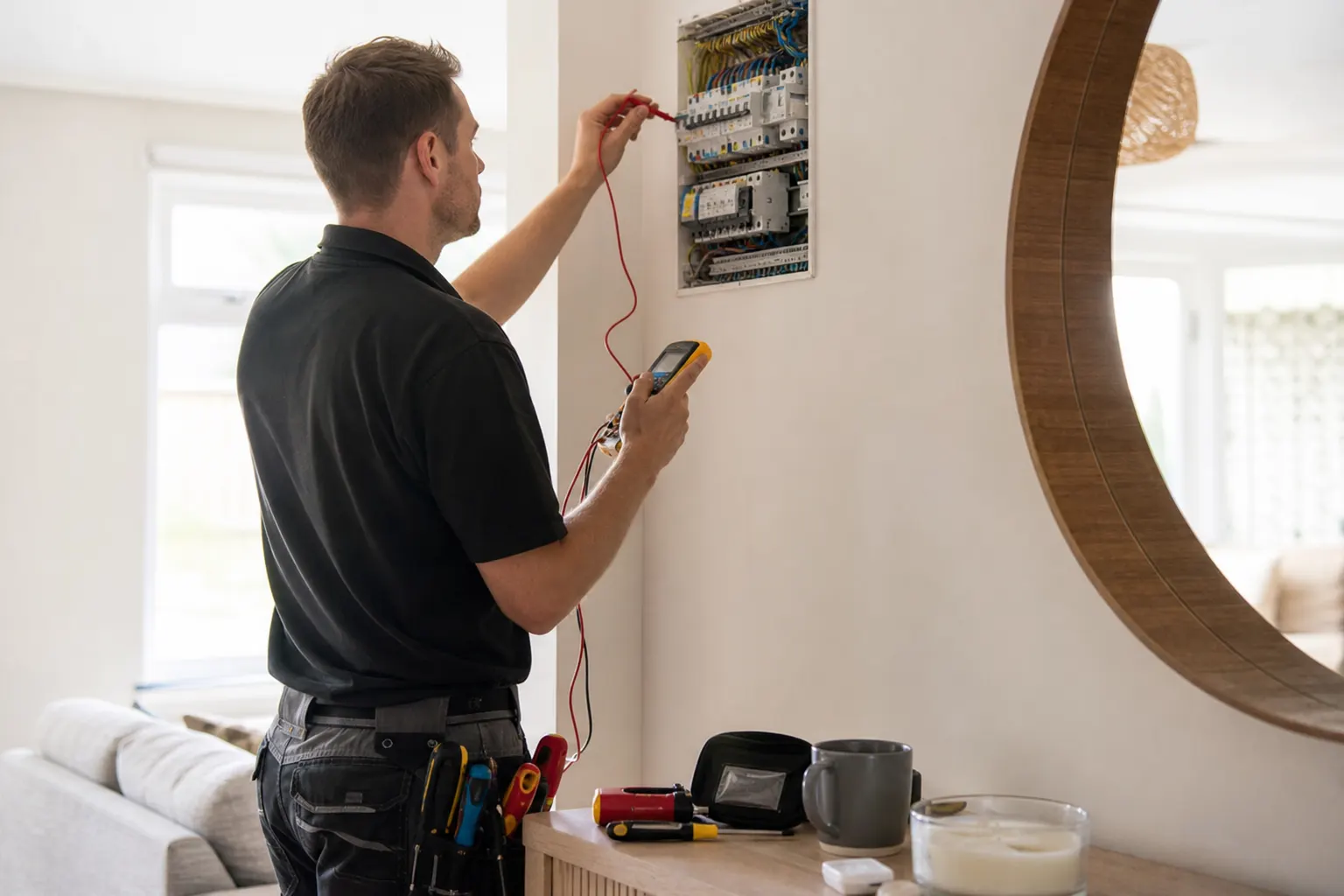
The usual intervals at a glance
An EICR is a formal inspection and testing of the fixed wiring in a property, including the consumer unit, circuits, sockets, lighting and earthing. Because wiring ages and wears, the report is repeated at set intervals.
As a general guide: owner-occupied homes are commonly checked about every ten years, rented homes at least every five years, and commercial premises usually every five years. Some settings carry more risk, such as places with heavy use, damp or public access, and may need checks more often. These are industry norms rather than a promise that your property fits them, so the date on your own report is the one to follow.
Landlords and rented properties
If you let a property, the five year interval matters most. Private landlords in England are generally required to have the electrical installation inspected and tested at intervals of no more than five years, and to give tenants a copy of the condition report. New tenants should normally be given the latest report too.
This is a legal requirement, so a gap in your paperwork can cause problems. Rules differ between England, Scotland, Wales and Northern Ireland, and they can change, so check GOV.UK for the current position for your property.
If the report finds urgent faults, landlords must arrange remedial work within the timescale the rules set out. Keeping a dated record of the report and of any repairs is sensible.
Is it three years or five years?
People often ask whether an EICR is three or five years. There is no single answer, because the interval depends on the type of property and on what the inspector finds. Five years is the common figure for rented homes and commercial premises. A shorter period, sometimes three years or even less, may be recommended where the wiring is older, has been altered a lot, or shows signs of deterioration.
The inspector will write a recommended date for the next inspection on the condition report. If it is shorter than you expected, it is worth asking why, and following that date rather than a general rule of thumb.
Commercial premises, NHS and other organisations
Shops, offices, workshops and other commercial premises usually follow a five year cycle for fixed wiring testing, though some are checked more often. Employers also have general duties to keep electrical systems safe, so an EICR is often part of showing that duty is being met.
Larger organisations, including healthcare bodies such as the NHS, usually work to their own detailed technical guidance and maintenance schedules, which may set different intervals for different areas. If you manage premises like this, follow your organisation's policy, and ask your inspector to confirm the interval in writing on the report.
When to get one sooner
You do not have to wait for the due date. Consider an earlier EICR if you are buying or selling a property, moving into a home with no known electrical history, or planning building work. It also makes sense after a change of tenant in a rented property if the report is close to expiry, or if you notice warning signs.
Those signs include flickering lights, a consumer unit that trips often, warm or discoloured sockets, burning smells, buzzing sounds, or visible damage to cables and accessories. Old fuse boxes and signs of DIY alterations are also worth having looked at. A report is only valid as a snapshot of the day it was done, so damage or changes afterwards can make it out of date.
Romford Electrical Services carries out EICR inspection and testing, and serves Romford and the wider East London area.
What happens after the report
The report grades any findings with observation codes. Some items need urgent attention, some need improvement, and some are only recommendations. An unsatisfactory result means remedial work is needed before the installation can be considered satisfactory. Once the work is done, you should receive confirmation or an updated report.
If you are worried about unsafe electrical work done by someone else, keep photographs and paperwork. You can raise it with the contractor first, then with the scheme body they belong to, if any. Your local council or GOV.UK can point you to the right route for rented homes.
Common questions
How long is an EICR valid for in the UK?
It is valid until the next inspection date written on the report. For rented homes this is no more than five years, and for owner-occupied homes it is often up to ten. It can be shorter if the inspector recommends it.
How often does an EICR need to be done on a rental property?
Generally at least every five years, or sooner if the report says so. Landlords should keep the report and give tenants a copy. Check GOV.UK for the rules that apply where your property is.
Do I need a new EICR every time I change tenants?
Not necessarily. A valid report can usually cover several tenancies within its period, provided no faults or damage have appeared since. Landlords still need to give the current report to new tenants.
Do landlords have to decorate every 5 years?
That is a separate matter from an EICR. The five year electrical interval does not relate to decorating, so check your tenancy agreement and GOV.UK for any decorating obligations.
Useful sources
- NICEIC: The electrical contracting body, with a register to check an electrician.
- GOV.UK: electrical safety standards in the private rented sector: The official guidance for landlords, tenants and councils on electrical safety checks.