 Romford Electrical Services
Guide
Common mistakes with EICRs and how to avoid them
The most common EICR mistakes are poor preparation, misreading the result, delaying repairs and choosing an inspector on price alone. Here is how to avoid each one.
- Send a short enquiry
- Covering East London
- EICR and related services
The most common EICR mistakes are not preparing for the inspection, misreading the result, putting off remedial work and choosing an inspector without checking what is included. Avoiding them is mostly a matter of knowing what an electrical installation condition report is, what it can and cannot tell you, and what to do with it afterwards.
Treating it as a quick tick-box
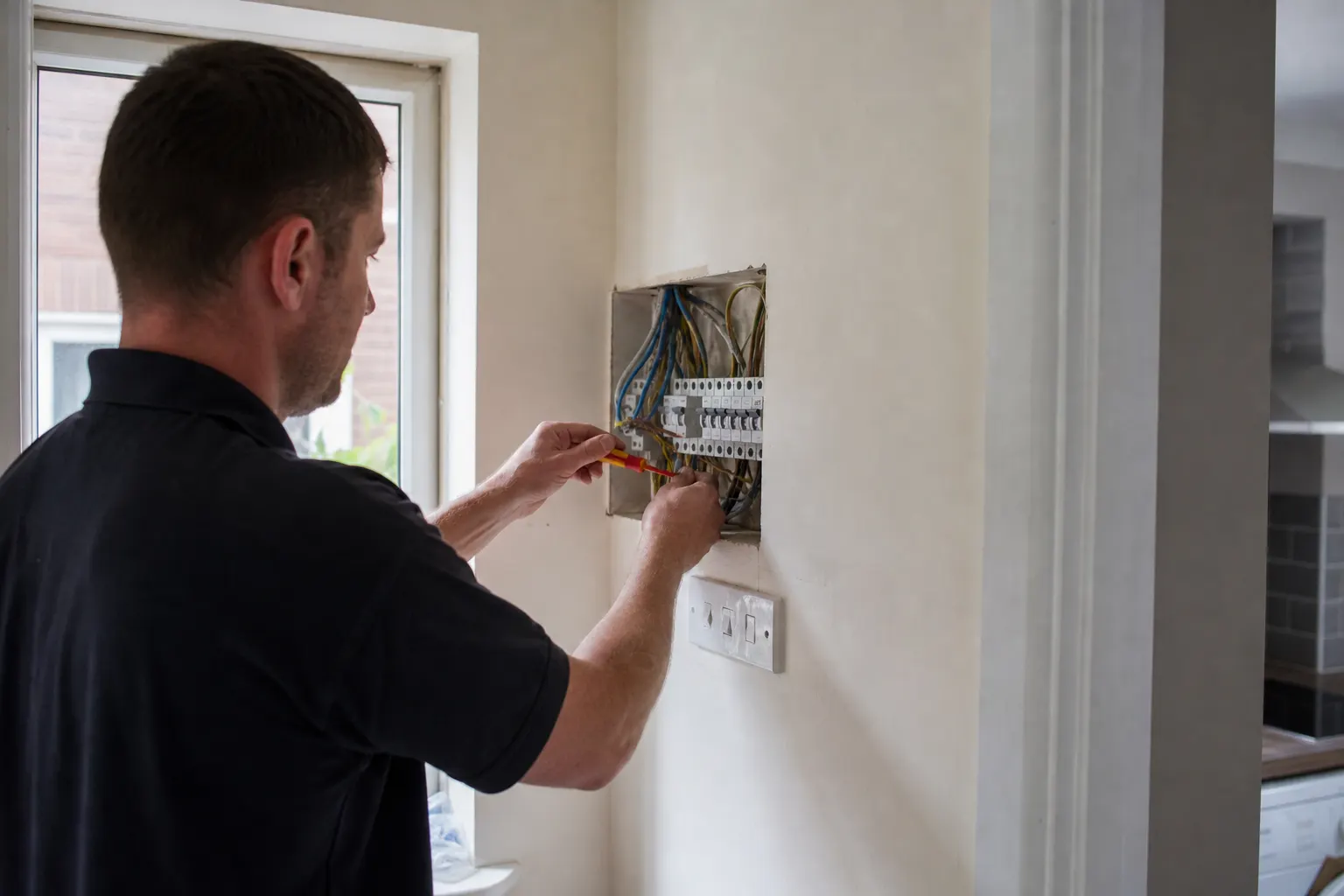
An EICR (electrical installation condition report) is a formal inspection and test of the fixed wiring and the electrical system in a property. It looks at the consumer unit, circuits, earthing and bonding, sockets, switches and lighting. It is not the same as testing your portable appliances, and it is not a small certificate for one new circuit.
A common mistake is to expect it to be done in a few minutes, or to accept a report that looks thin. A proper condition report should describe what was inspected, what was tested, what was not accessed, and any observations. If a report is vague about its scope, ask the electrician to explain it.
Not preparing the property
Testing usually means switching the power off for periods, so plan around it. Tell everyone in the property, and make sure anything sensitive, such as computers, medical equipment, alarms or freezers, is dealt with in advance. Ask your electrician how long circuits are likely to be off.
Access causes many delays. Make sure the consumer unit is not blocked by coats, boxes or furniture, and that the inspector can reach every room, cupboard, loft hatch, garage or outbuilding with its own supply. If tenants live there, give them proper notice and make sure someone can let the inspector in. Anything that could not be inspected will be recorded as a limitation, which can leave you with an incomplete report and a second visit.
Misreading the result
Many people see the word unsatisfactory and assume the whole house is dangerous. In fact, a report is graded by observation codes. Some mean danger is present or something is potentially dangerous, such as exposed live parts that risk electric shocks. Others mean improvement is recommended. Only certain codes lead to an unsatisfactory result, so read the observations, not just the overall outcome.
The opposite mistake is assuming a satisfactory result means perfect wiring. It means no urgent defects were found at the time of testing, and it may still list recommendations. Wear and tear is expected in older wiring, but old does not automatically mean unsafe, and newer does not automatically mean safe. Poor workmanship, damaged cables and overloaded circuits can appear in any age of property.
Delaying the remedial work
A report only records the condition of the installation. It does not fix anything. The costly mistake is filing it away and ignoring the observations. Anything marked as dangerous or potentially dangerous should be dealt with promptly, and a qualified electrician can tell you what is urgent and what can be planned.
Landlords have legal obligations around electrical safety in rented properties, which include having the installation inspected and tested and acting on the findings. Rules can change, so check GOV.UK for the current position rather than relying on an old article or a friend's advice. Keep every report, along with records of any follow-up work, because you may need to show them to tenants, a letting agent, a buyer or an insurer.
Choosing on price alone
Two quotes for an EICR can differ because they cover different things. Pricing usually depends on the size of the property, the number of circuits and consumer units, how easy everything is to reach, how long the testing takes, and whether any travel or callout element applies. Time of day can matter too. Some electricians quote a fixed price for the inspection, others work by the hour, and repair work is normally priced separately including parts.
Ask for a written quote and check what it covers: the number of circuits, whether a full report is included, what happens if faults need follow-up, and whether any remedial work is quoted separately. Also ask who will carry out and sign off the inspection. You are looking for a qualified electrician with the right experience, and it is reasonable to ask how they will present the findings. A very short quote with little detail is a reason to ask more questions, not a bargain.
Common questions
Can I do anything myself before an EICR?
Yes. Clear access to the consumer unit and electrical equipment, tell everyone when the power will be off, and make a list of any known problems such as flickering lights, warm sockets or tripping circuits. Do not open or alter the wiring yourself.
Does an unsatisfactory EICR mean I have to rewire?
Not necessarily. Often the problems can be fixed with targeted work, such as replacing a damaged accessory, correcting bonding or upgrading a consumer unit. Your electrician should explain which observations matter most and why.
How much will an EICR cost?
It depends on the size of the property, the number of circuits, access, the time the testing takes and any follow-up work. Ask for a written quote that sets out what is included so you can compare like with like.
Who needs an EICR?
Landlords have legal obligations for electrical safety in rented homes, and many owners choose one when buying, selling or if they are unsure of the wiring's condition. Check GOV.UK for the current rules that apply to you.
Useful sources
- NICEIC: The electrical contracting body, with a register to check an electrician.
- GOV.UK: electrical safety standards in the private rented sector: The official guidance for landlords, tenants and councils on electrical safety checks.